Warranty Routing
Tool bodies, chargers, and battery packs are classified by serial record, symptom, duty cycle, and field environment before routing to warranty review, repair, or replacement support.
Milwaukee service planning helps professional buyers keep tool bodies, batteries, chargers, blades, bits, and outdoor equipment moving through warranty routing, maintenance checks, kit rationalization, and field support.
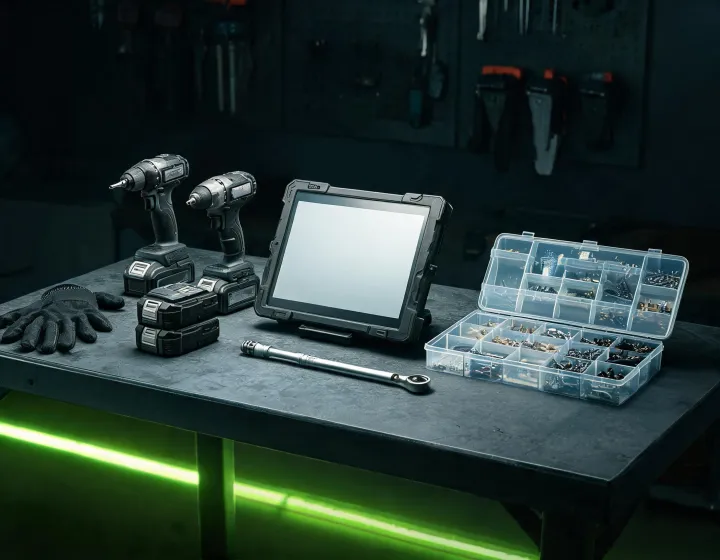
Instead of treating each tool as an isolated item, Milwaukee service requests are grouped by trade, battery platform, jobsite exposure, and replacement urgency so crews can keep the active kit productive.
Tool bodies, chargers, and battery packs are classified by serial record, symptom, duty cycle, and field environment before routing to warranty review, repair, or replacement support.
Drivers, ratchets, saws, grinders, and drilling tools are reviewed against fastening loads, material type, accessory wear, and charger availability to reduce avoidable downtime.
M18, M12, and high-output battery paths are mapped to tool density, shift length, charging windows, and storage layouts so field supervisors can standardize without underpowering the crew.
Service teams can review drilling, fastening, cutting, lighting, vacuum, and outdoor maintenance kits as one workcell, identifying duplicate bodies and missing accessories before a project ramps.
Bits, blades, hole saws, abrasives, and sockets are matched to the tool platform and material class, which helps buyers stock consumables that protect performance instead of masking wear.
When a request needs local availability, service routing connects buyers with dealer channels, product documentation, repair guidance, and replacement options tied to the correct category.
Crews lose hours when batteries, accessories, and tool bodies are managed in separate conversations. A platform service view gives purchasing, field supervision, and repair desks the same operating picture.
Milwaukee support content is written for buyers who need hard answers: tool category, runtime need, warranty path, replacement urgency, and where the request should go next. That is why the service page keeps repair, calibration-style checks, dealer routing, and kit planning in one flow rather than scattering them across separate forms.
Share the category, platform, fault pattern, jobsite setting, and purchase timeline. The same request can support quote planning, warranty review, dealer routing, and service triage.