Tool body selection
Start with drill, drive, cut, grind, trim, or service work, then match the tool body to duty cycle and crew size.
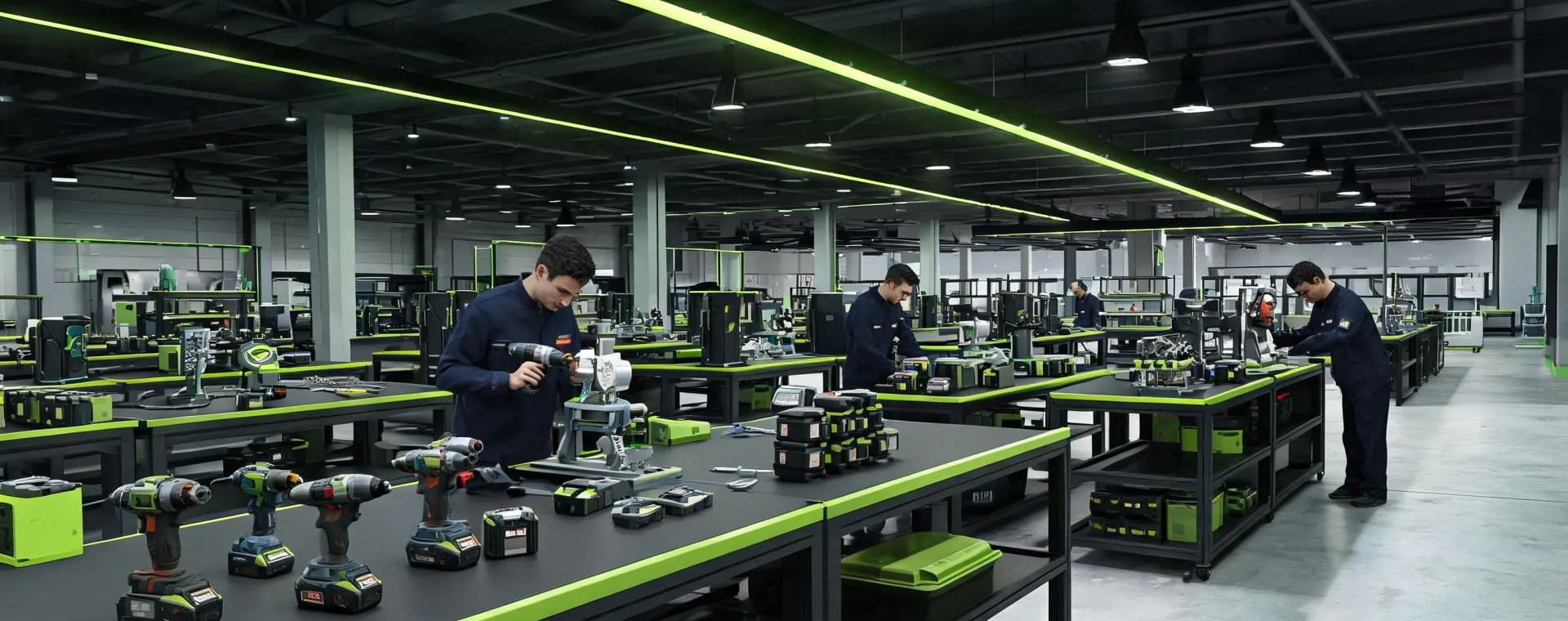
Milwaukee is presented here as a pro-grade hardware and tool partner for buyers who care about platform fit, product availability, service records, and jobsite durability across power tools, hand tools, and outdoor equipment.
The Milwaukee site is written for professional purchasing teams, dealer desks, and supervisors who think in systems. A drill body matters, but the value comes from the battery pool behind it, the bits that survive the material, the storage that keeps the kit complete, and the service route that brings a failed item back into circulation.
That system view shapes the page structure. Products are organized around power tools, hand tools, and garden tools because those categories sit at the center of the brand configuration. The surrounding story covers tool fleet service, trade applications, platform technology, and contact paths that can support both planned sourcing and urgent replacement requests.
The visual language is deliberately industrial: dark surfaces, energetic green highlights, compact corners, and dense but readable technical panels. The site avoids soft lifestyle language and focuses on platform readiness, runtime, accessory fit, jobsite conditions, and field support.
Start with drill, drive, cut, grind, trim, or service work, then match the tool body to duty cycle and crew size.
Runtime, charging windows, cold weather, and tool density shape the platform strategy before accessories are ordered.
Warranty records, symptom detail, and local availability keep service decisions practical for active jobsites.
The brand story is not built around generic claims. It is built around the decisions a trade buyer has to make before tools reach a truck, bench, yard, or maintenance room.
Categories, CTAs, and support paths point buyers toward battery compatibility, accessory fit, and system-level planning.
Copy and imagery stay grounded in concrete, conduit, steel benches, service vans, plant rooms, and maintained landscapes.
Repair, warranty, and product routing language asks for the information support teams need to act quickly.
Milwaukee content speaks to cross-functional teams because product sourcing, service response, and platform standardization rarely sit with one person.

Frames tool, battery, charger, and accessory relationships for demanding trade workflows.
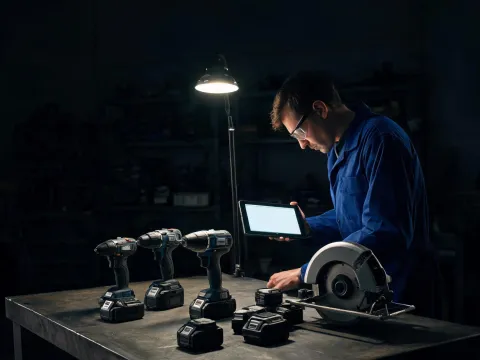
Turns fault descriptions, warranty records, and serial context into a practical routing path.
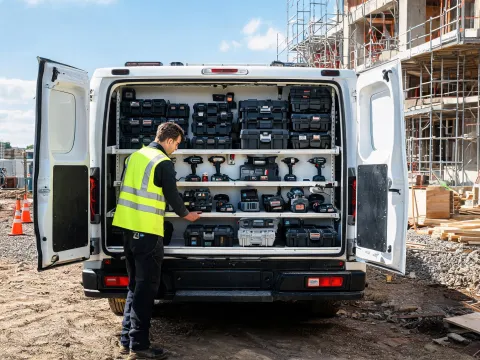
Translate crew conditions into kit recommendations, accessory choices, and stock planning.
Whether the next decision is a new drill platform, a hand tool standard, or a garden equipment refresh, the most useful answer starts with real jobsite constraints.